

Minute book for a Quebec corporationThe company exists.
Now prove it.
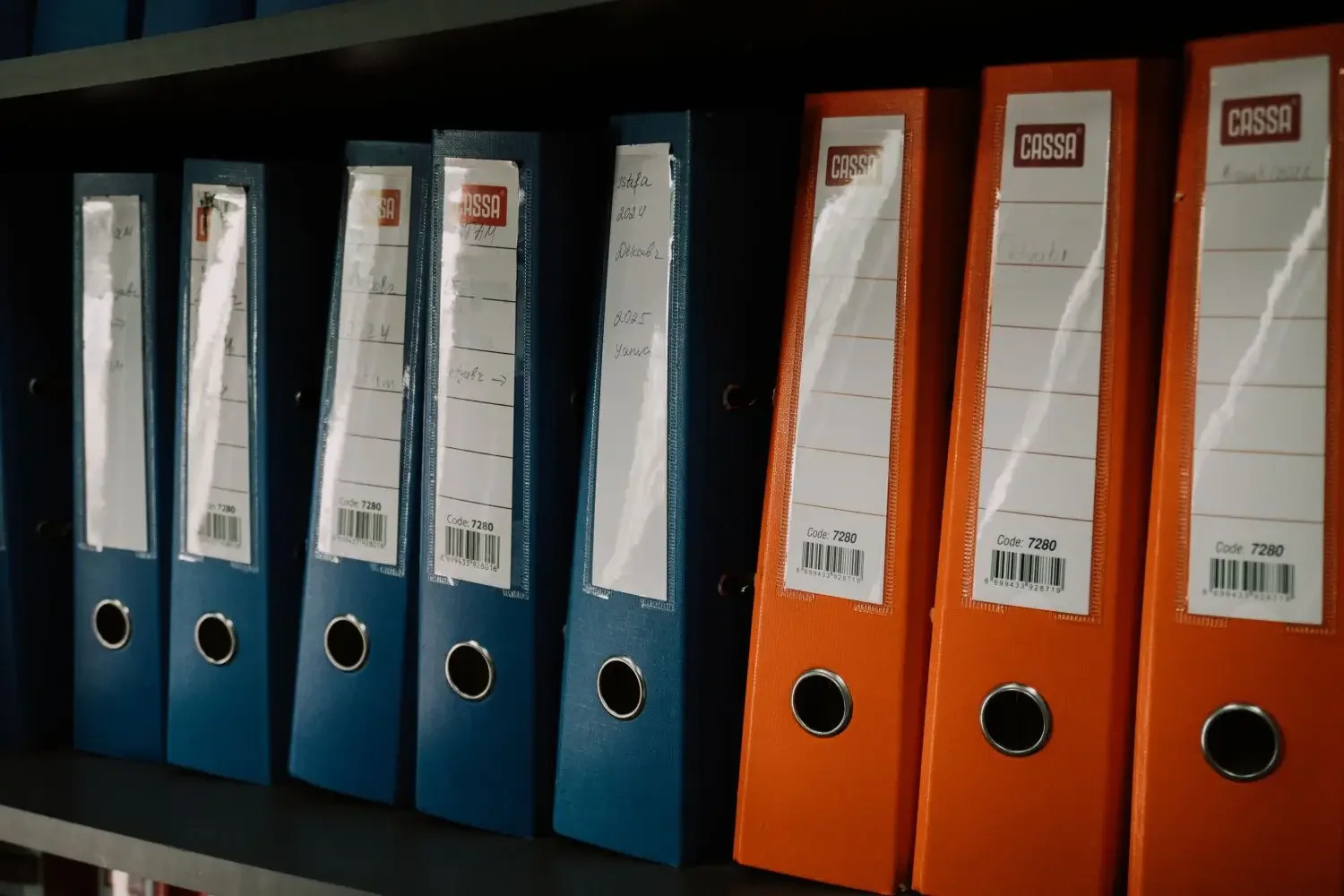
Minute book
A company decides.
The minute book proves it.
The minute book is the official record of a corporation’s legal life. It brings together the certificate of incorporation, the articles, the by-laws, the resolutions of the board and of the shareholders, the registers that state who owns what, and the share certificates. Until it exists, the company operates with no record of its own decisions.
Many business owners incorporate online and never set one up, because they believe the step is optional. It is not. The law requires these records to be kept, and their absence is not paid for right away: it is paid for the day someone asks to see them.
That day almost always comes. A tax audit, a buyer’s due diligence, a bank extending credit, an investor coming into the share capital. The minute book is the first document requested, and the only one that shows who owns the shares and who took the decisions.
We set up the minute book of a newly incorporated company, and we rebuild, year by year, the book of a company that never kept one, until the records actually reflect its history.
What we do
Set up the book,
or catch up on what is missing.
Setting up the minute book
For a company that has just been incorporated: organizational resolutions, adoption of the by-laws, appointment of directors and officers, share issuance and opening of the registers. This is what turns a certificate of incorporation into a company that is actually organized.
The required registers
Securities register, register of directors and officers, register of shareholders, entries for share transfers and declared dividends. These registers, not a verbal understanding, are what establishes ownership of the shares.
Articles, by-laws and resolutions
The certificate of incorporation, the founding articles and any amendments, the by-laws, the minutes and resolutions of meetings. The book gathers in one place what is usually scattered between an email, a binder and the partners’ memory.
Share certificates and transfers
Certificates issued in the name of the actual holders, transfers entered in the register, redemptions and new issuances tracked. A share transfer that was never recorded is a transfer that will have to be proven some other way, often years later.
Rebuilding a neglected book
Where nothing has been kept since incorporation, we go back over the history: annual resolutions, approval of the financial statements, declared dividends, changes of directors, shareholders coming in and going out. The book is rebuilt retroactively up to the present day.
Keeping it current
A book has to be maintained. Annual resolutions, approval of the financial statements, declaration of dividends, appointment of a new director, a change to the share capital or the head office. Every significant decision leaves a record, provided it is written down when it is taken.
Frequently asked questions
What we are asked most.
Is a minute book mandatory?
Yes. The law requires a corporation to keep its corporate records. Many people incorporate without ever doing so, believing the step is optional. Its absence blocks nothing day to day, which is why it is discovered late, but it blocks everything the day a third party asks to see the records.
What does a minute book contain?
The certificate of incorporation and the articles, the by-laws, the minutes and resolutions of shareholder and board meetings, the list of directors, officers and shareholders, the securities register, share transfers, declared dividends and the share certificates. It also holds the company’s standing information: fiscal year, tax accounts, advisors and banking arrangements.
What is it actually used for?
It is requested during a tax audit, during the due diligence that precedes a sale or a merger, and by banks and private investors before they finance. It also keeps a record of the decisions taken, which prevents costly disputes among shareholders about what was agreed.
What does a company risk by not keeping one?
It is exposed to the penalties that apply to corporate or tax non-compliance, and a company that fails to hold its annual meetings for at least two consecutive years is exposed to dissolution. The most common risk is more mundane: a transaction that stops because no one can prove who owns the shares.
Can a minute book be rebuilt after several years?
Yes. Resolutions, registers and certificates can be rebuilt retroactively back to incorporation. The work grows with the number of years and with what happened in between: shareholders coming in, transfers, dividends, changes of directors. The longer the wait, the heavier the exercise, and it is better done before a buyer or an auditor asks for it, not during.
To read further, our article on the minute book and the one on due diligence. If the structure itself has to change, see corporate changes.

A minute book to set up?
One meeting is usually enough to take stock of what exists, what is missing and what has to be rebuilt.
Book a consultationBusiness & Corporate
The other services in this area.
A file rarely fits in a single category. Here is what the firm handles around this subject.
Insights
To go further.
Three readings that extend this subject, if you would rather read up before speaking with us.

A question about this process?
Describe your situation in a few lines. We usually reply within one business day.